




Resources // Blog // Things You Must Know About Hail Damage Car Repair
REQUEST A CONSULTATION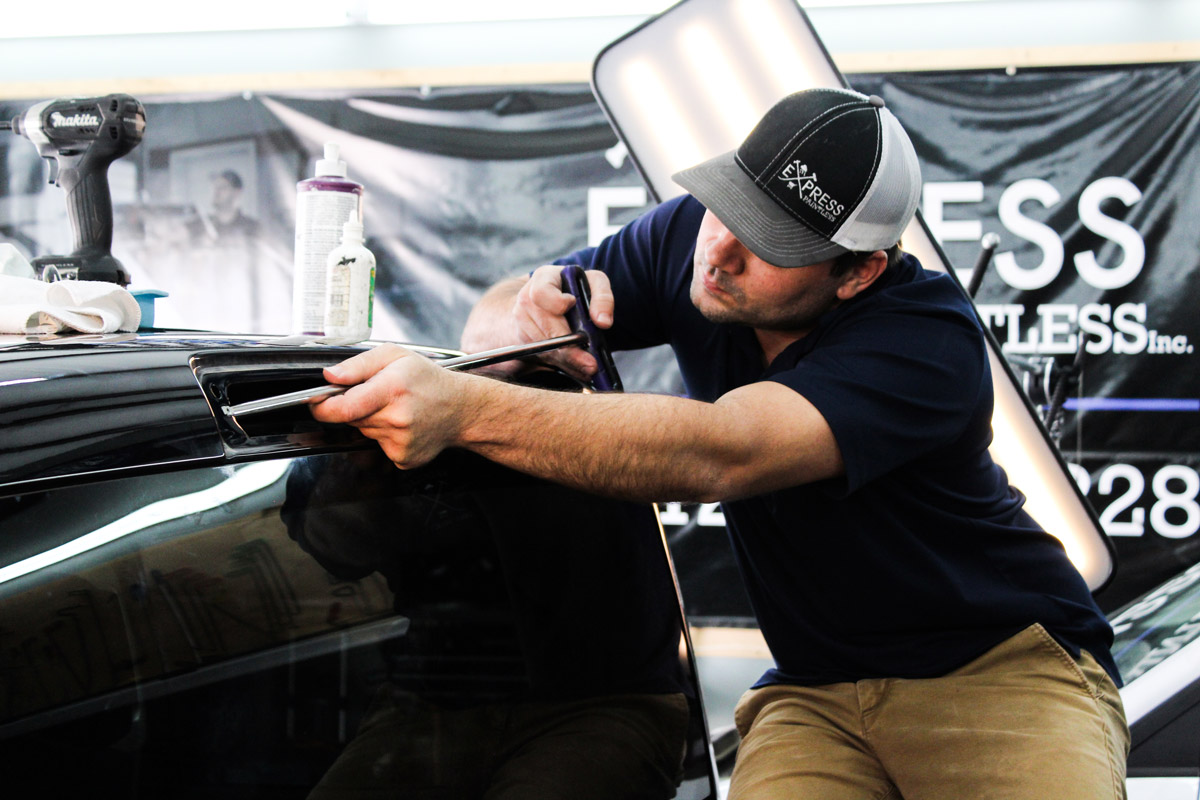
Hail can fall when you least expect it, leaving your vehicle with dents and scratches that can make the damage look overwhelming. But no matter how severe the hail damage looks, expert hail damage car repair can restore your vehicle and make it look as good as new. Here are some things you should know about hail damage repair for cars.
Whether you’re out driving or parked somewhere in the open, the amount of damage your vehicle will take depends on the size of the hail. In Texas, hailstones can be as small as a pea and as large as a baseball (and sometimes even larger), which means your vehicle can either suffer cosmetic or structural damage.
Cosmetic hail damage takes the form of small dents and dings, or chipped paint, all of which can impact your resale value but are very easy to repair. Also, don’t be fooled by the size of the damage, because small hits can lead to bigger problems, such as rust or cracked paint.
Structural damage can take the form of a cracked windshield, a warped frame, and even engine damage. This level of hail damage impacts the vehicle’s safety and performance, making it dangerous both for you and those around you if you choose to drive it.
The danger hail poses to your vehicles isn’t just the scratches it leaves; it also creates weaknesses. Sure, small hailstones leave only dents and minor paint chipping, but they also leave tiny amounts of moisture in the metal that eventually leads to rust. When a hailstorm happens in your area, it’s best to deal with the aftermath as soon as you can.
Small dents can weaken your vehicle's metal or increase the risk of rust by trapping moisture, so it's important to repair the hail damage early to preserve your vehicle.
Even if your vehicle’s paint looks intact, unrepaired dents and dings can lead to future paint cracking or peeling. Without hail damage repair, the paint problem can worsen and may later lead to serious corrosion.
Visible dents and dings will lower your car’s resale or trade-in value, because buyers will notice the body damage right away, even if the vehicle runs perfectly.
Many insurance companies prefer that you report the damage after a storm as early as possible. If you need help, shops that handle hail damage repair to cars, like Express Paintless, can help guide you through the claims process.
We know driving a dented car can feel frustrating, especially after a storm you couldn’t avoid. Fixing the hail damage will not only make your vehicle look good as new, but also help you feel confident behind the wheel again.
If you’re wondering whether your insurance covers hail damage repair for cars, this section is for you. Below are the three common insurance types a driver may have, and how these can help you deal with hail damage car repair.
Collision insurance only covers damage caused by a collision with another vehicle or object, and will not help you pay for your vehicle’s hail damage.
Comprehensive insurance covers damage caused by natural events, such as fire, natural disasters, and hailstorms. Having comprehensive coverage guarantees that it will cover your hail damage.
Liability insurance is different from the two types above because it helps you in the event you injure someone or damage property that isn’t yours in a car collision. Having liability coverage won’t help repair your hail damage.
There are two ways to deal with hail damage, depending on its severity. If your car was dented without damaging the paint, you can definitely opt for paintless dent repair. But if the hail damage did a number on your vehicle, like cracking windshields and gouging the car panels, it may need some bodywork.
Paintless dent repair is one common method for fixing hail damage. It uses specialized techniques and tools to remove dents rather than hide them with sanding, filling, and repainting.
Traditional bodywork is the preferred alternative when the hail damage is too severe. Unlike paintless dent removal, bodywork involves replacing parts that cannot be saved or painting over areas that need a new coat.
After a storm rolls through, it’s normal to feel stressed about the damage. But rushing decisions—or putting them off—can create bigger problems later. When it comes to hail car damage repair, knowing what to do will save you time, money, and frustration.
Filing claims for hail damage must be done early because delays can affect your repair schedule, and waiting too long may lead to insurance disputes.
Photo or video estimates often miss smaller dents, especially on light-colored vehicles or aluminum panels. That may leave you underpaid and stuck covering part of the repair out of pocket.
While pop-up repair tents are convenient for quick hail damage repair, they usually don’t offer the same long-term accountability as permanent shops. Cheapest doesn’t always mean best.
While insurance companies may suggest a “preferred” shop, the choice is ultimately yours. You have the legal right to choose the repair facility you trust with your hail damage car repair needs.
Hailstorms are unpredictable, but your response doesn’t have to be. Scheduling car repair for hail damage quickly protects your vehicle and your investment. With the right repair method, you can erase the signs of the storm. Fix the damage now and enjoy driving a vehicle that looks as good as it did before the storm rolled in.
If you’re feeling overwhelmed after your vehicle gets hit by hail, here are some things you should know about hail damage car repair.
Request a Consultation
Our Hours
Mon - Fri 8am - 5pm
Sat - 10am - 5pm
Sun - Closed
New Braunfels by appointment only.
We offer flexible scheduling to work around your availability.